Criminal Justice
Learn how America’s justice system works, where it falls short, and how reform can protect both safety and individual liberty.
Discover how the US criminal justice system works.
Through insights from legal experts and real-world examples, explore the role of policing, courts, and laws in shaping our society.
Dive into engaging videos, uncover key facts, and see how justice is carried out in America.
Intro to Criminal Justice Reform
Learn the roles and procedures of the American jury trial and follow the stories of Andrew Hamilton and William Penn in two deeply intertwined court cases.
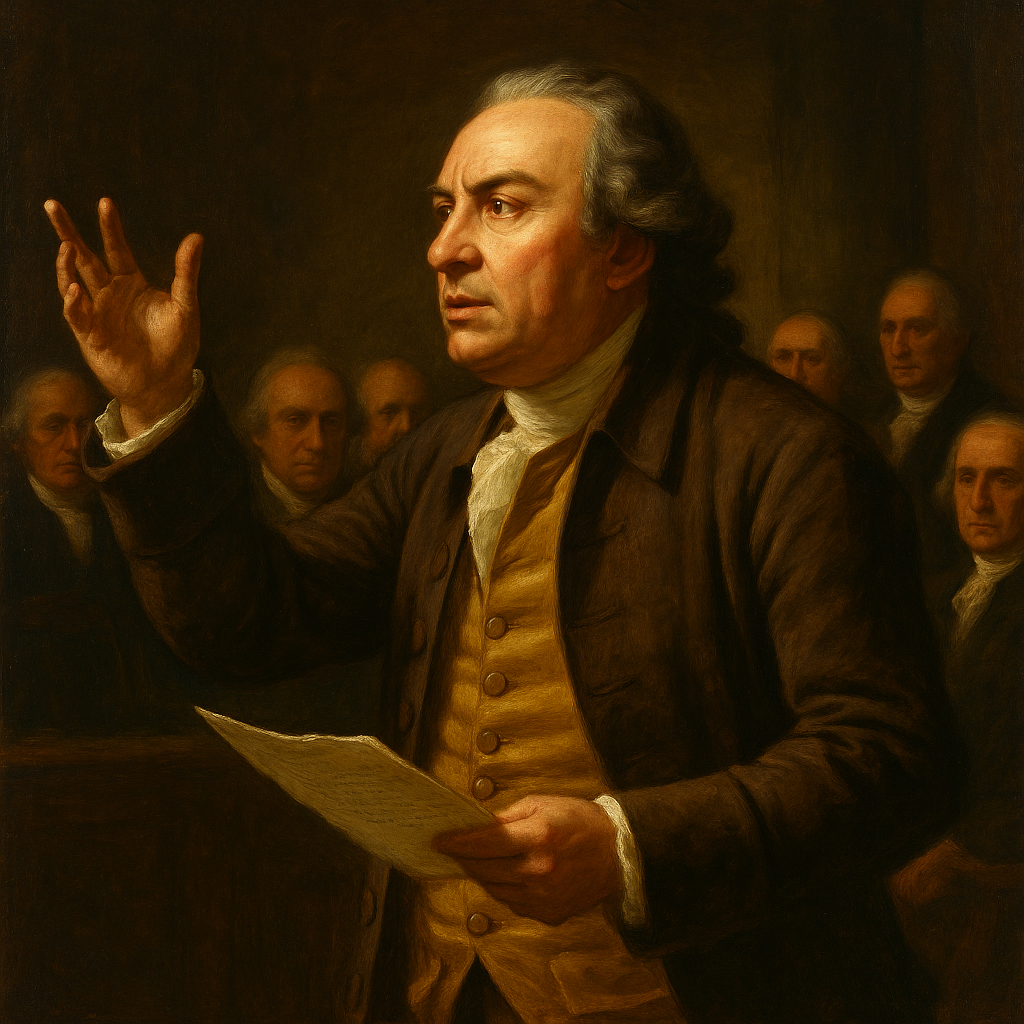
We the Jury
A look at two different theories prescribing why societies should criminalize behavior, and a comparison of those theories to the reasons our government presently criminalizes behavior.

Plea Bargaining and Today’s System
Today, over 95% of criminal cases are settled not by a jury trial, but by a non-trial process called plea bargaining.
Why did courts move from a near-refusal to accept any guilty pleas to a
willingness to sanction even guilty pleas made in extraordinary circumstances?
There is no single explanation for why the United States adopted the non-trial procedure of plea bargaining over alternative trial procedures.

Explore the complex mechanisms of plea bargaining and their impact on justice. America's uniquely-high plea bargaining rate is both suspicious and suggestive.

What you'll earn
Finish the course. Walk away with proof.
Complete all three chapters and you'll receive a personalized Cato Courses certificate of completion, ready to download and share the moment you finish.
- Chapter OneIntro to criminal justice reform
- Chapter TwoThe jury trial
- Chapter ThreePlea bargaining
- Certificate issuedDownload as a PDF. Share it on LinkedIn or add it to a résumé.
Free forever · Under an hour · No credit card required
Cato Courses
Certificate of Completion
This certifies that
has successfully completed
Criminal Justice
Personalized with your name and completion date.
What You’ll Discover:
This Cato Course explores how criminal justice institutions affect individual liberty and societal well-being.
You’ll learn why jury trials emerged as a key protection against state power, why plea bargaining replaced them, and how overcriminalization threatens due process today.
By the end of this course, you will be able to:
Describe the historical development of the criminal justice system in the United States;
Explain how plea bargaining became the dominant mechanism for resolving criminal cases;
Evaluate criminal justice practices using libertarian ideas of proportionality and accountability; and
Identify practical reforms that strengthen due process and reduce government overreach.
In less than an hour, you’ll gain a principled understanding of how America’s criminal justice system operates, and how it can be reformed to better protect liberty and fairness.
Who this course is for:
Students and Young Professionals interested in criminal justice and libertarian thought.
Liberty-Minded Activists looking for intellectual ammunition for advocacy.
Lifelong Learners/Cato Partners engaging more deeply with Cato’s resources.
Requirements:
No background is needed. This Cato course is for anyone eager to dive into the US criminal justice system.
Course FAQs
-
This online course is available at no cost thanks to Cato Institute’s Partners who champion innovation, freedom, and prosperity.
-
How does lifetime access sound? After enrolling, you will have unlimited access to this course for as long as you like—across any and all devices you own.
-
The course starts now and never ends! It is a completely self-paced online course—you decide when you start and when you finish.
-
Yes! This course is designed for young minds, but it’s open to anyone eager to learn. Whether you are new to the topic or looking to sharpen your skills, you will find valuable insights here.
-
Everything you need is provided within the course, but having a notebook and an open mind is always a plus!